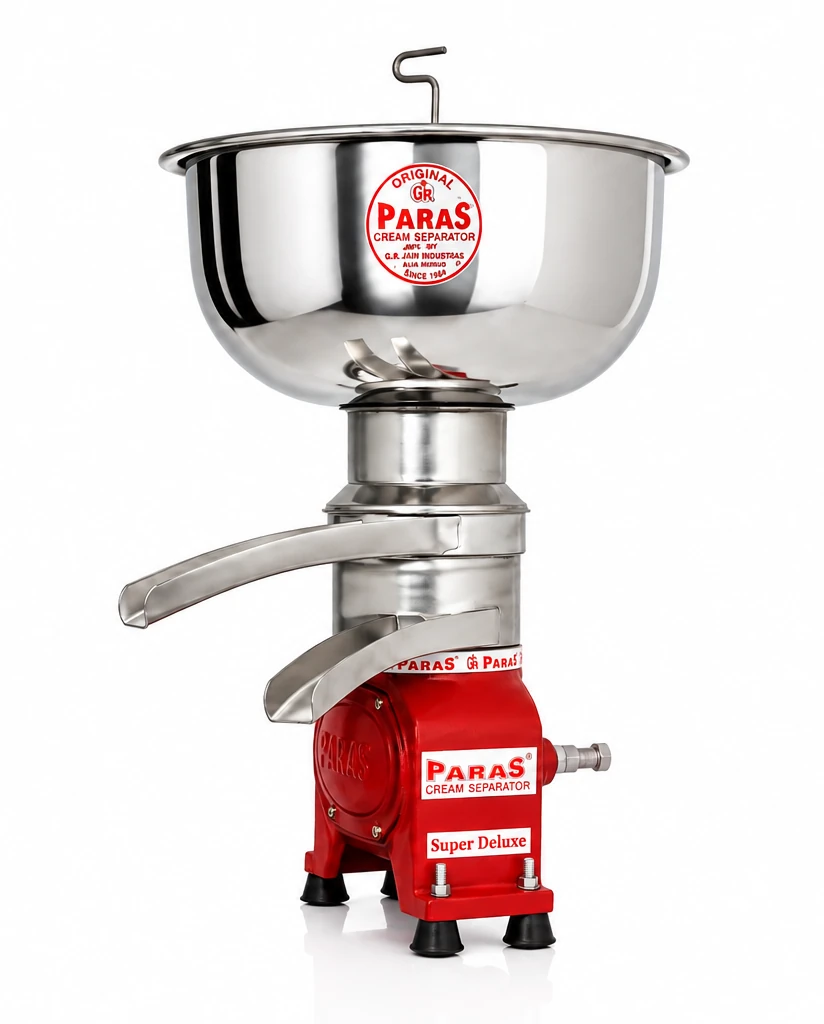
GR 7 Series
60 LPH
3 modelsA household cream separator for home use and small dairy operations.
Drive optionsManual · Electric
View GR 7 detailsGLOBAL INDUSTRIAL STANDARD • SS 304 FOOD GRADE • 99.9% FAT RECOVERY
The definitive choice for global export houses, regional machinery distributors, and high-volume commercial dairy plants. Built with aerospace-grade balancing tolerances, continuous-duty tropicalized motors, and zero-fat-loss centrifugal disc technology.
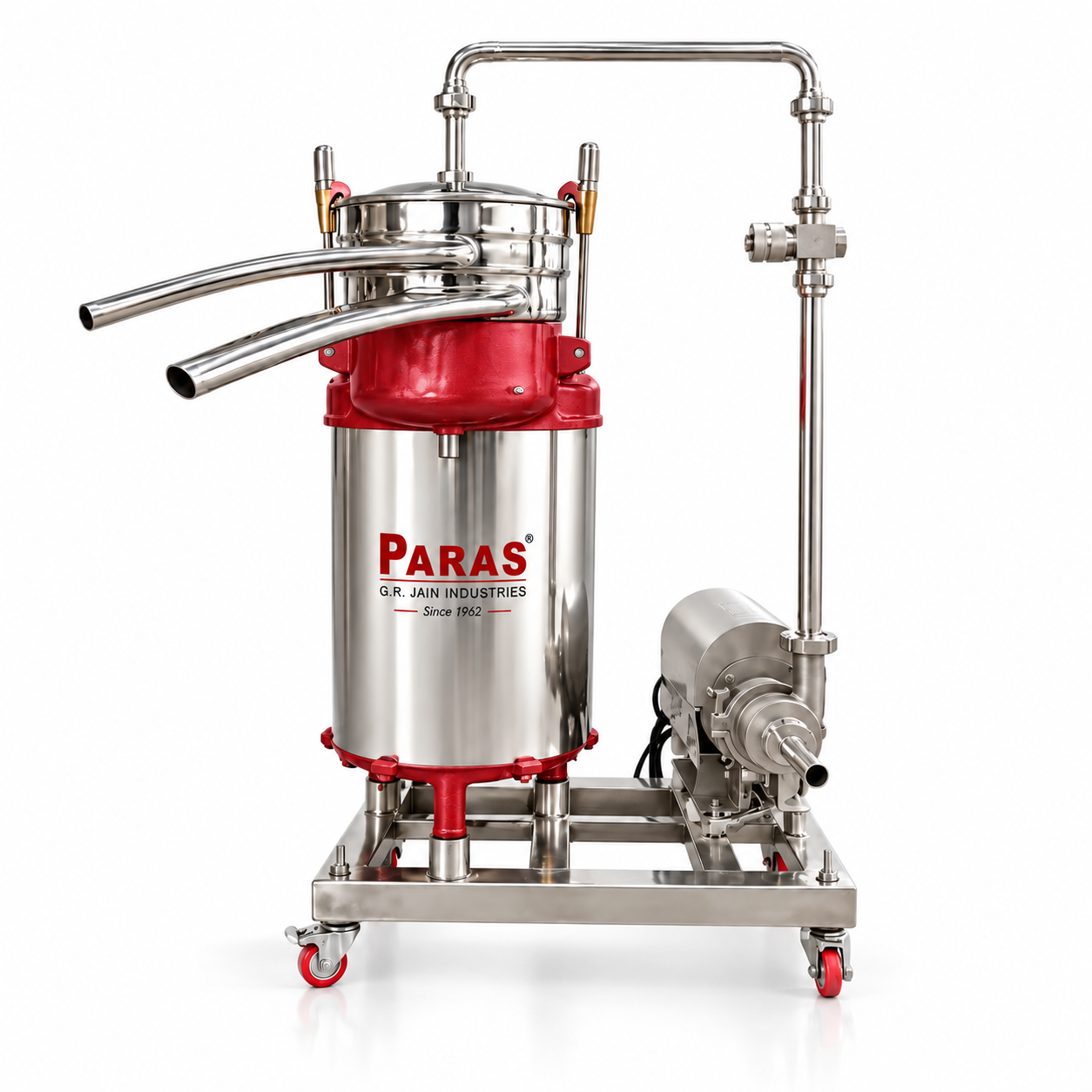
Browse household, commercial and industrial separators below. Open a model to compare its available variants, specifications and supply configuration.
60 LPH
3 modelsA household cream separator for home use and small dairy operations.
Drive optionsManual · Electric
View GR 7 details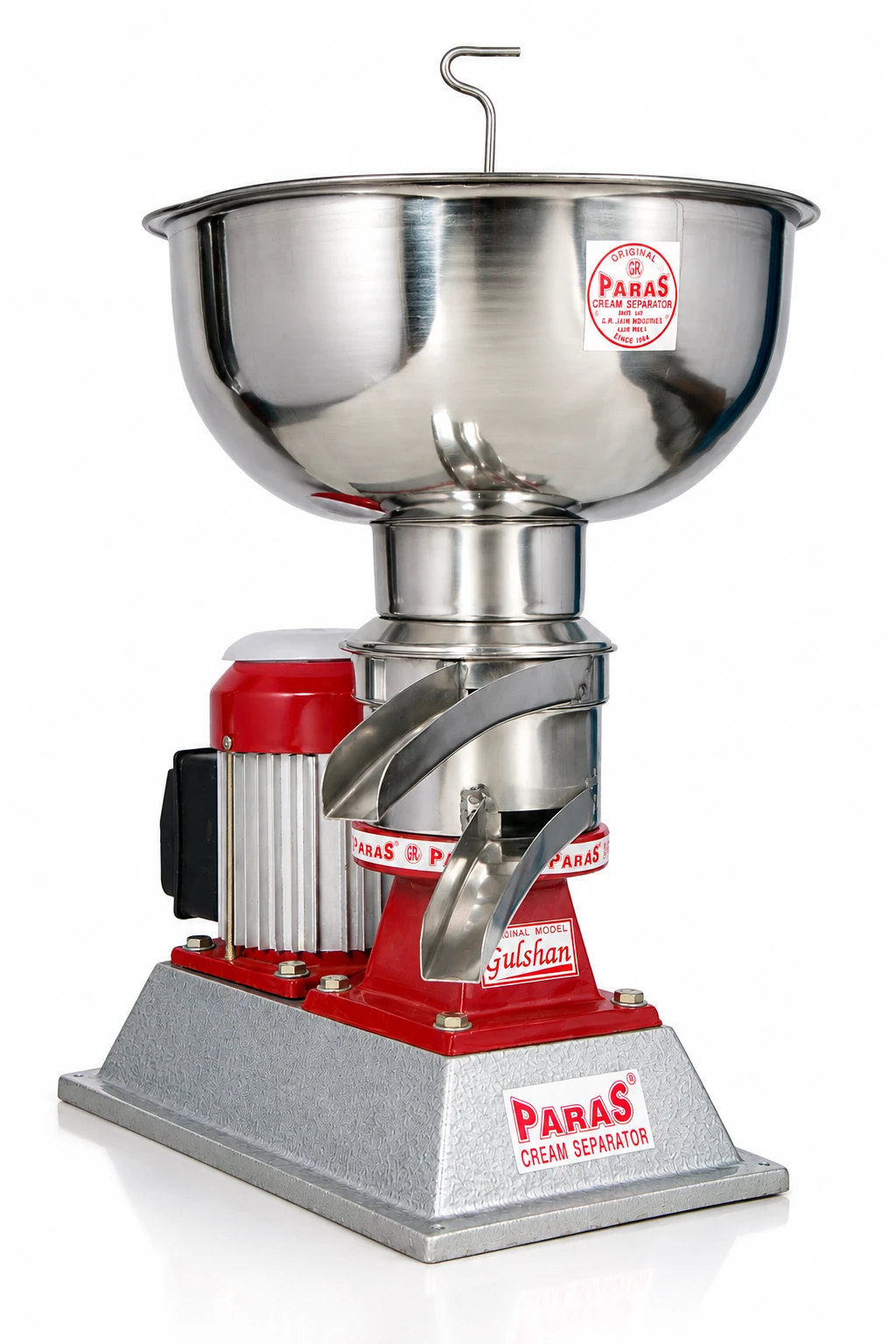
80–100 LPH
3 modelsFor households, small dairies and growing milk collection points.
Drive optionsManual · Electric
View GR 8 details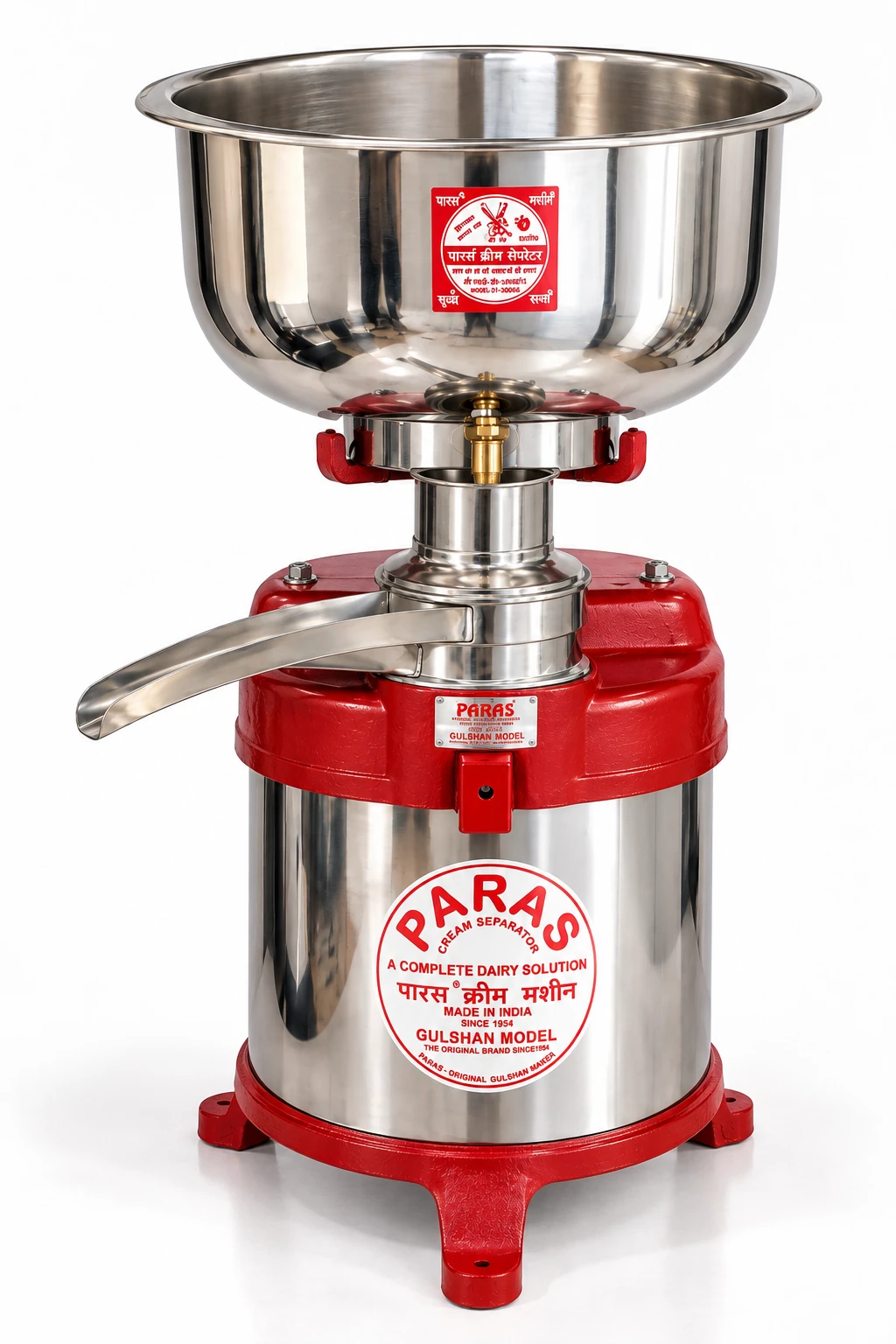
165 LPH
4 modelsFor medium farms, power-backup dairies and cooperative processing rooms.
Drive optionsManual · Electric · Dual
View GR 9 details
300 LPH
4 modelsFor commercial dairies and cooperative processing operations.
Drive optionsManual · Electric · Dual
View GR 11 details
450 LPH
2 modelsA higher-capacity option for medium to large operations and chilling centres.
Drive optionsManual · Dual
View GR 107 details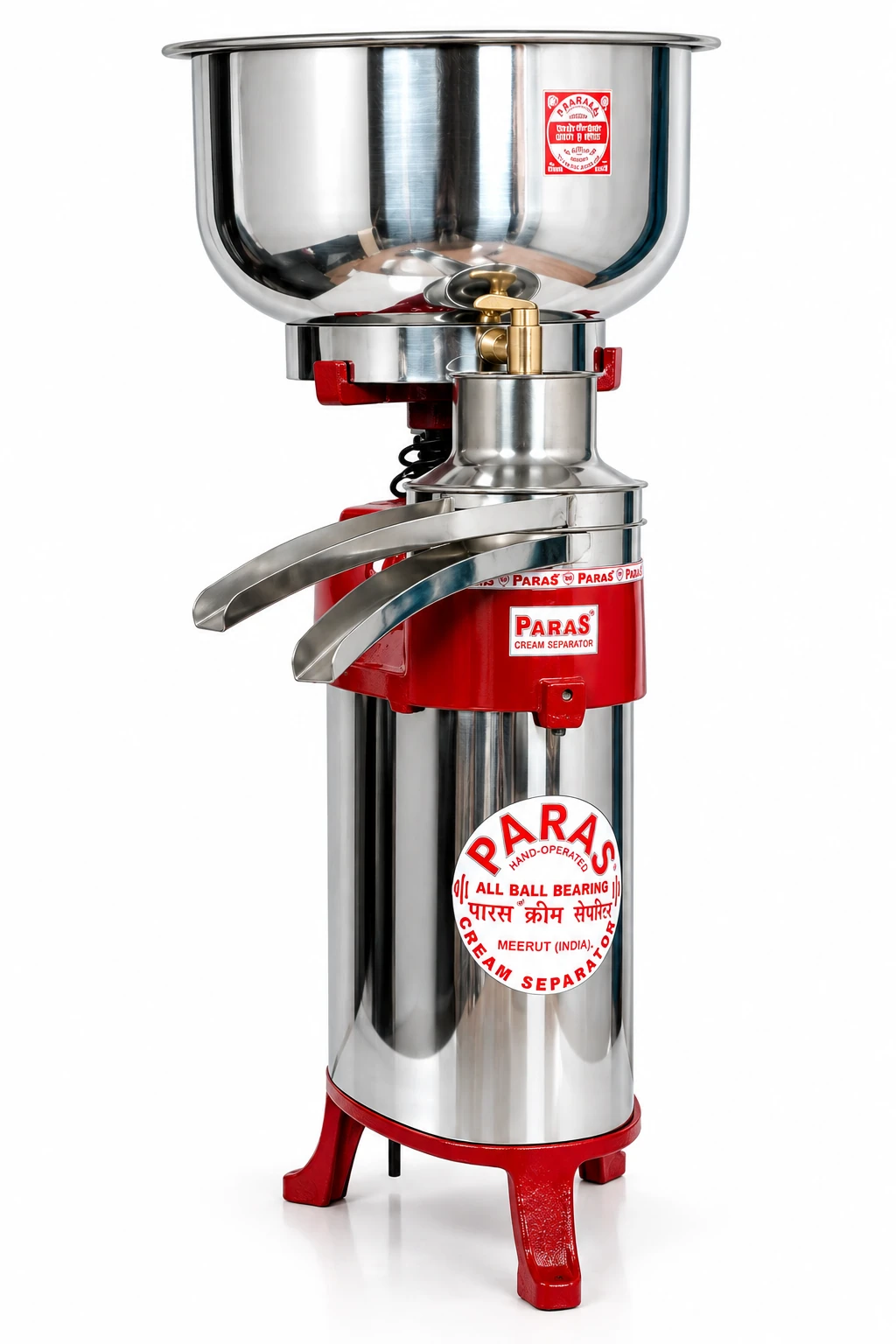
600 LPH
3 modelsFor large dairies, distributors and ghee plants.
Drive optionsManual · Electric · Dual
View GR 108 details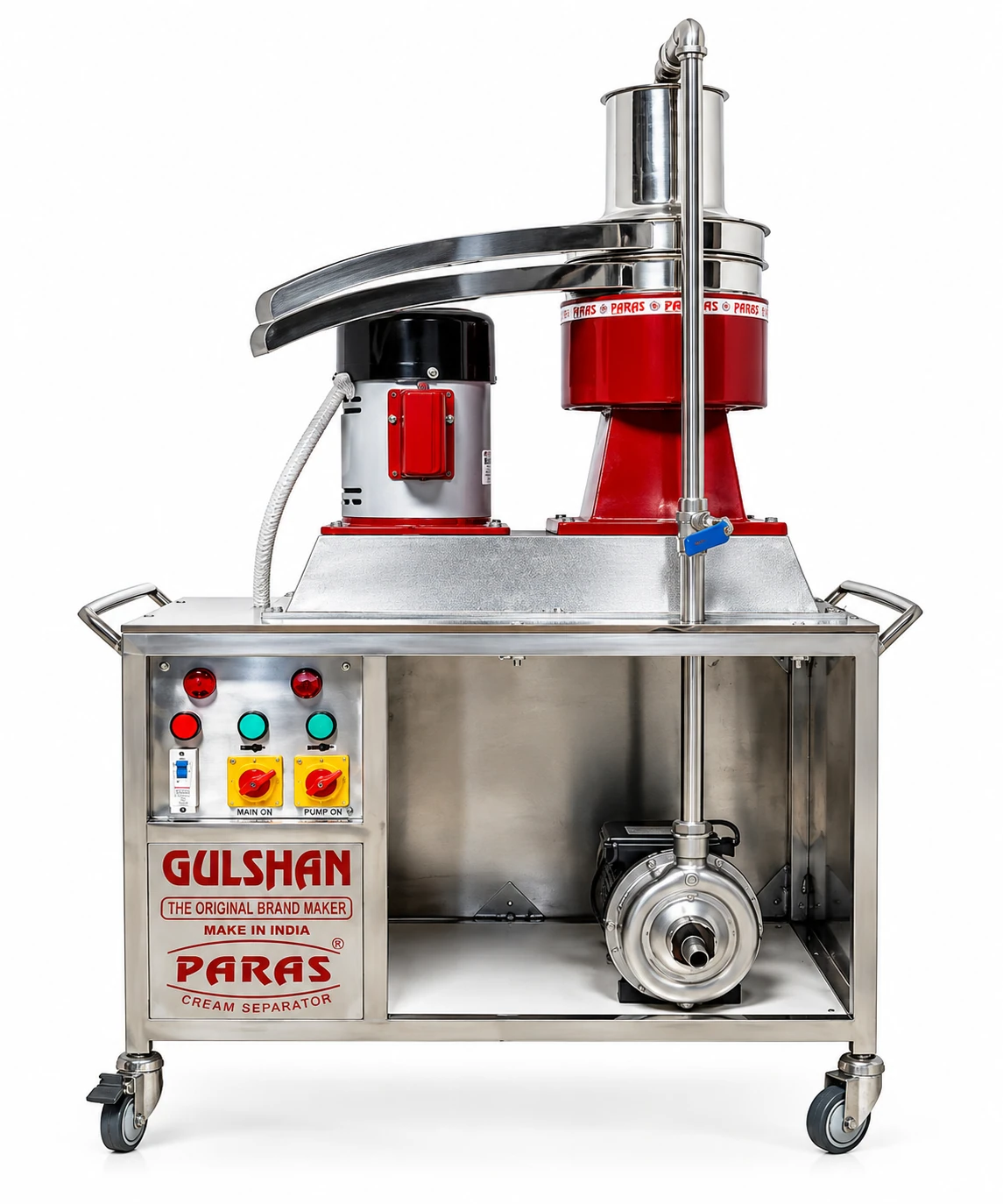
800 LPH
2 modelsFor milk collection centres and dairy plants using a pump-fed setup.
ConfigurationAEP pump-fed
View GR 109 details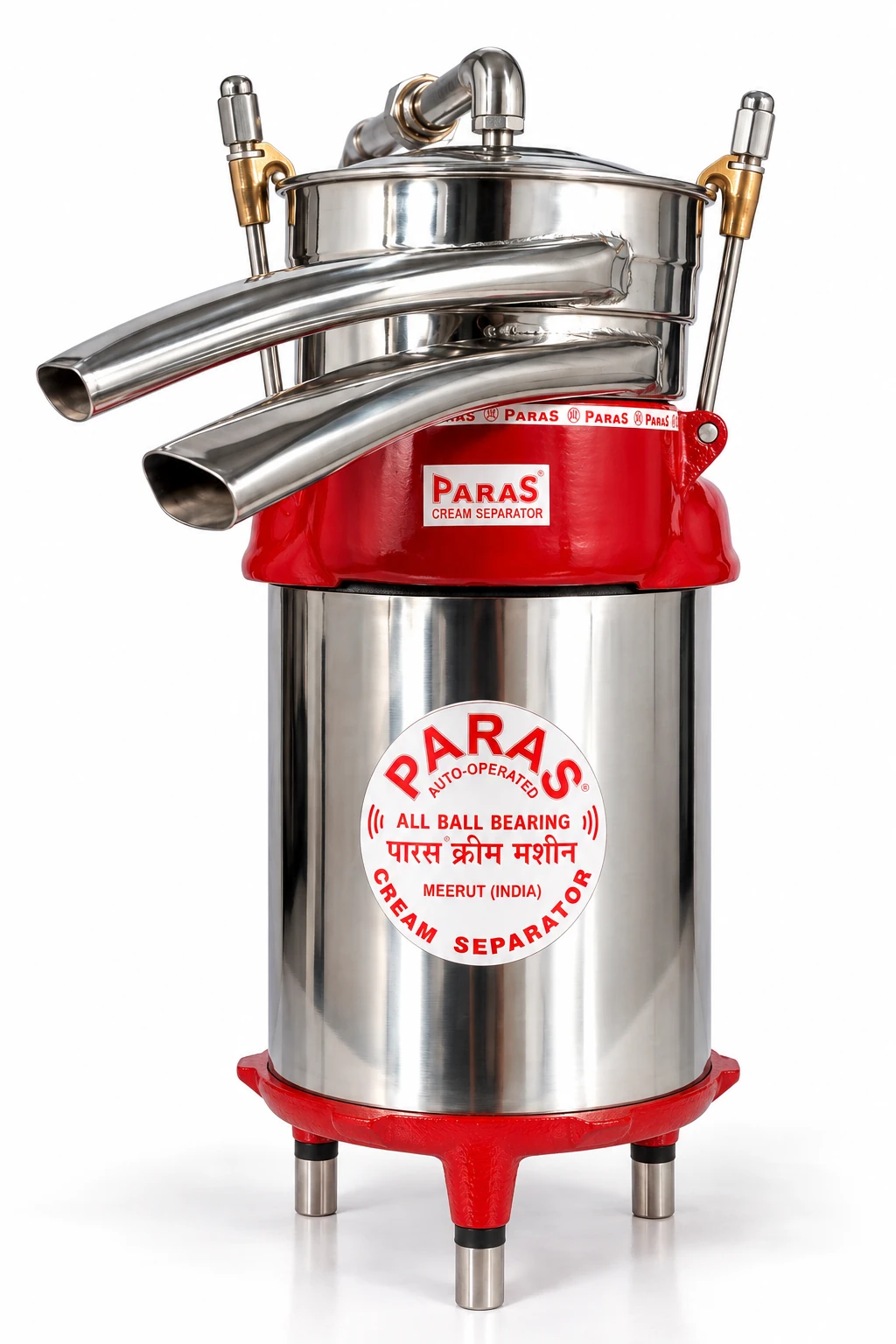
1,200 LPH
1 modelFor industrial dairy plants and large cooperative operations.
ConfigurationAEP pump-fed
View GR A1 details2,000 LPH
1 modelFor large industrial plants requiring high-volume separation.
ConfigurationAEP pump-fed
View GR A2 details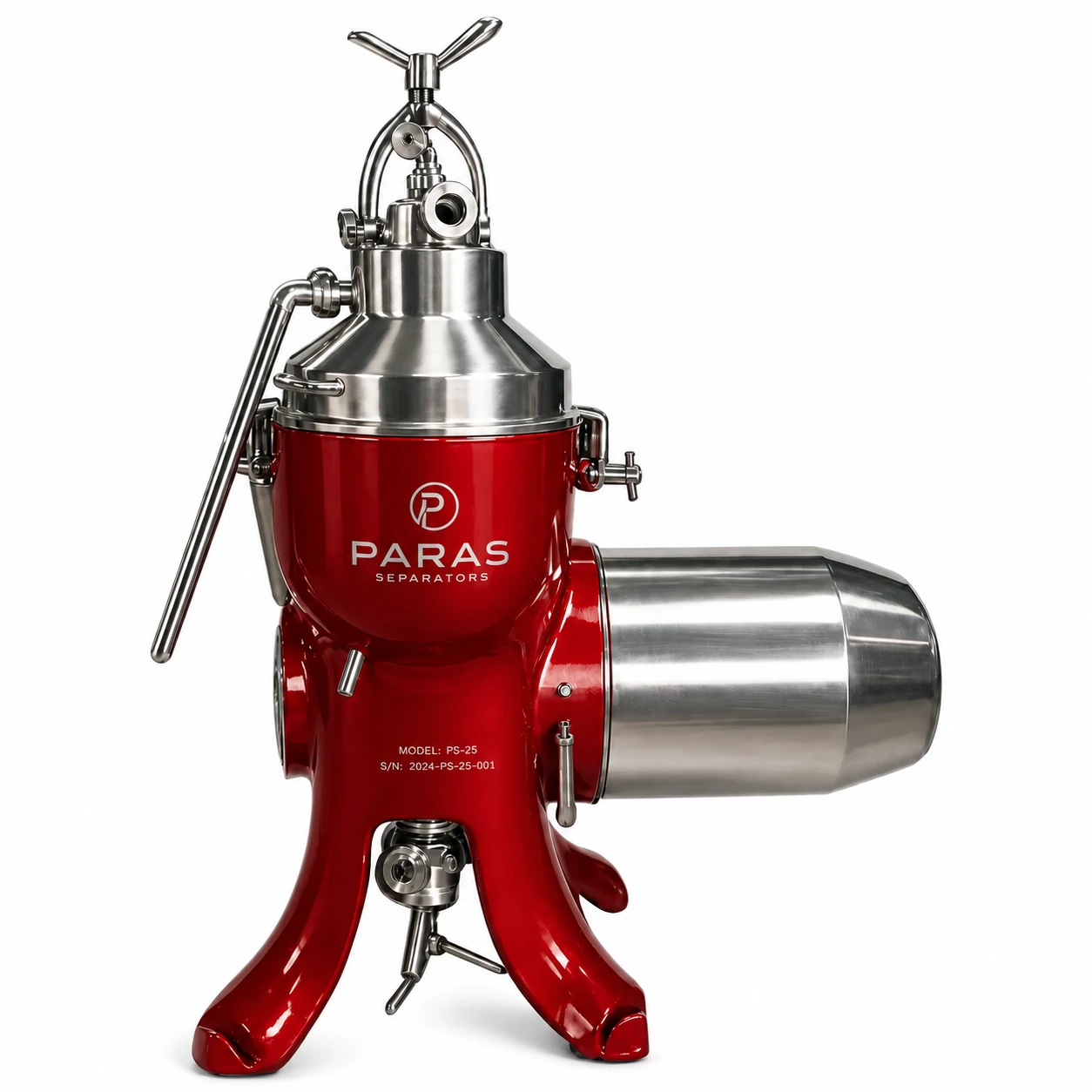
3,000 LPH
1 modelAn online continuous separator for industrial processing lines.
ConfigurationOnline continuous
View GR A3 details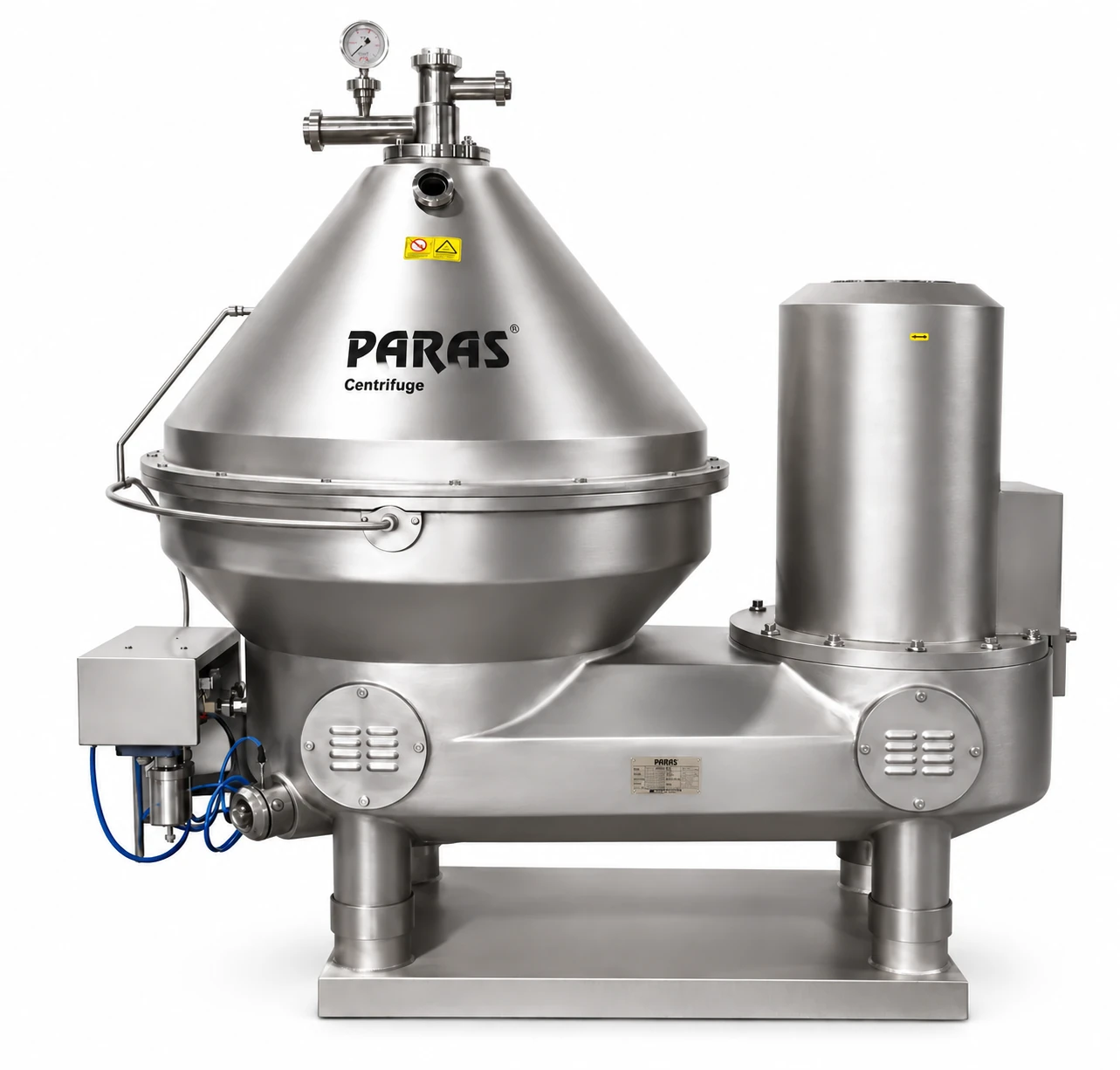
5,000 LPH
1 modelThe highest-capacity model listed here, for large milk plants and cooperative dairies.
ConfigurationOnline auto-clean
View GR A5 detailsNOT SURE WHERE TO START?
Share your milk volume, processing hours and power availability. Our team can help you review suitable capacities and configurations.
Get HelpSelecting the precise Liters Per Hour (LPH) throughput prevents motor fatigue and maintains absolute butterfat separation efficiency. Match your daily processing volume with our engineered capacity ranges.
| Capacity Range | Standard Processing Time | Ideal Commercial Use Cases | Engineering Advantage |
|---|---|---|---|
| 60 LPH – 165 LPH (Mini / Compact) | 2 to 3.5 Hours | Boutique dairy farms, home processing, R&D food laboratories, direct farm-gate retail. | Ultra-fine SS 304 bowl calibration designed for small-batch precision fat recovery. |
| 300 LPH – 450 LPH (Commercial) | 3 to 4.5 Hours | Sweet shops (halwais), single-shift commercial dairy farms, regional collection points. | Handles continuous morning and evening collection shifts seamlessly with zero motor thermal degradation. |
| 600 LPH – 800 LPH (High-Yield) | 4 to 6 Hours | Medium-scale processing units, bulk commercial milk collection centers, dairy cooperatives. | Expanded disc stack area and heavy cast base ensure laminar flow and complete separation of dense buffalo milk. |
| 1200 LPH – 5000+ LPH (Plant Scale) | Continuous Online Shifts | Full-scale dairy factories, state-level cooperatives, international export mass-production lines. | 3-Phase industrial power integration, online automated feeding, rigorous continuous-duty endurance. |
We manufacture specialized drive architectures tailored to match exact local infrastructure and operational scale requirements.
Exact quotations vary based on voltage customization, pump additions, and material grade specifications.
| Capacity Range | Standard Material Construction | Indicative Domestic Price (INR) | Estimated Export Price (USD) |
|---|---|---|---|
| 60 LPH – 165 LPH | Full SS 304 Contact Parts / Semi-SS options | ₹15,000 – ₹25,000 | $185 – $310 |
| 165 LPH – 300 LPH | Full SS 304 Contact Parts | ₹25,000 – ₹40,000 | $310 – $500 |
| 300 LPH – 450 LPH | Full SS 304 Contact Parts | ₹35,000 – ₹80,000 | $430 – $1,000 |
| 450 LPH – 800 LPH | Full SS 304 Contact Parts | ₹80,000 – ₹1,50,000 | $1,000 – $1,850 |
| 1200 LPH – 5000+ LPH | Full SS 304 Contact Parts | Quote on Request | Quote on Request |
Every Paras package arrives ready for immediate commercial operation. The price includes:
Avoid post-purchase financial surprises by accounting for secondary capital expenses:
Commercial dairy machinery is subject to an 18% GST rate in India. Registered commercial dairies and authorized equipment dealers are fully eligible to claim Input Tax Credit (ITC).
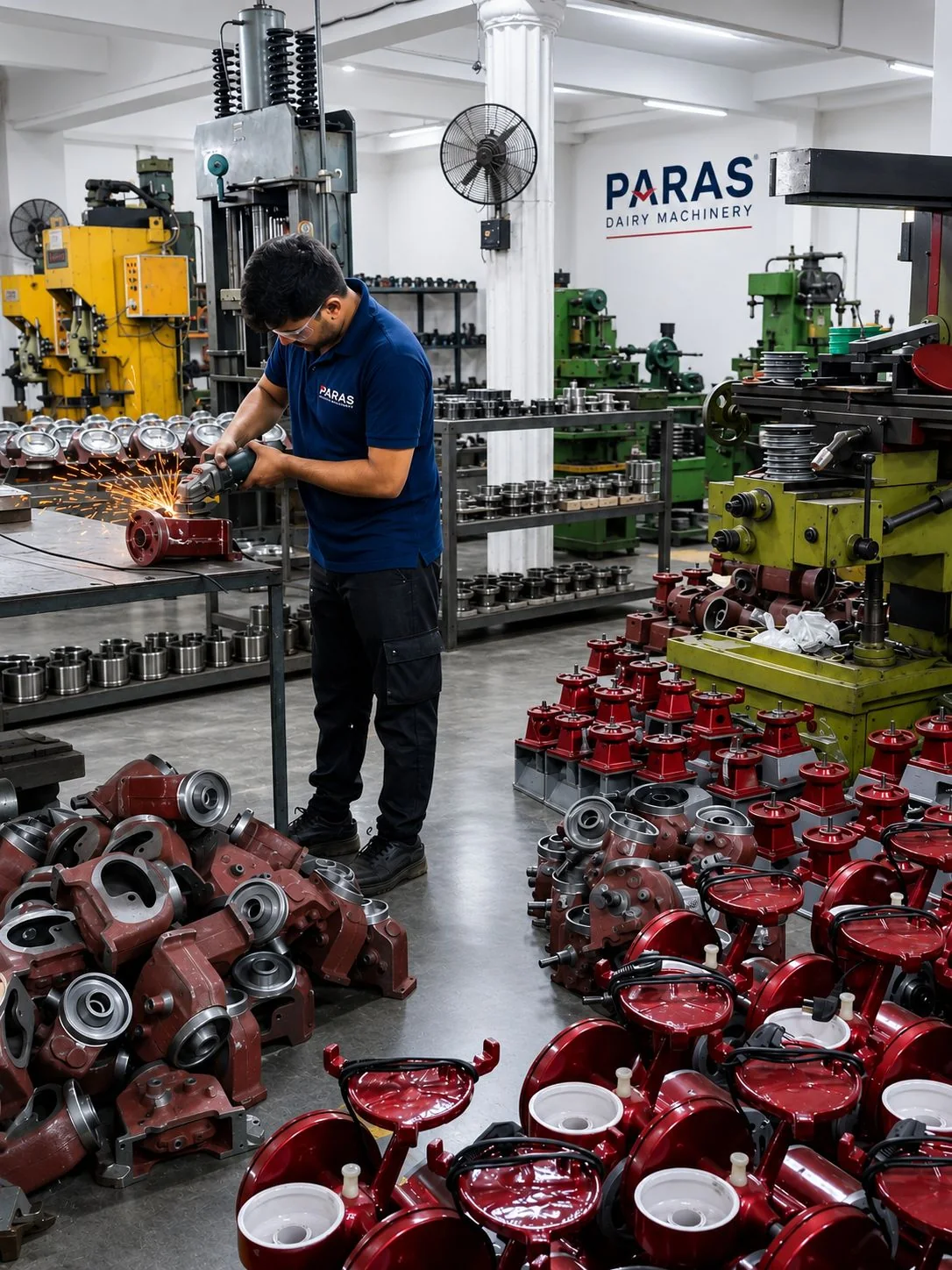
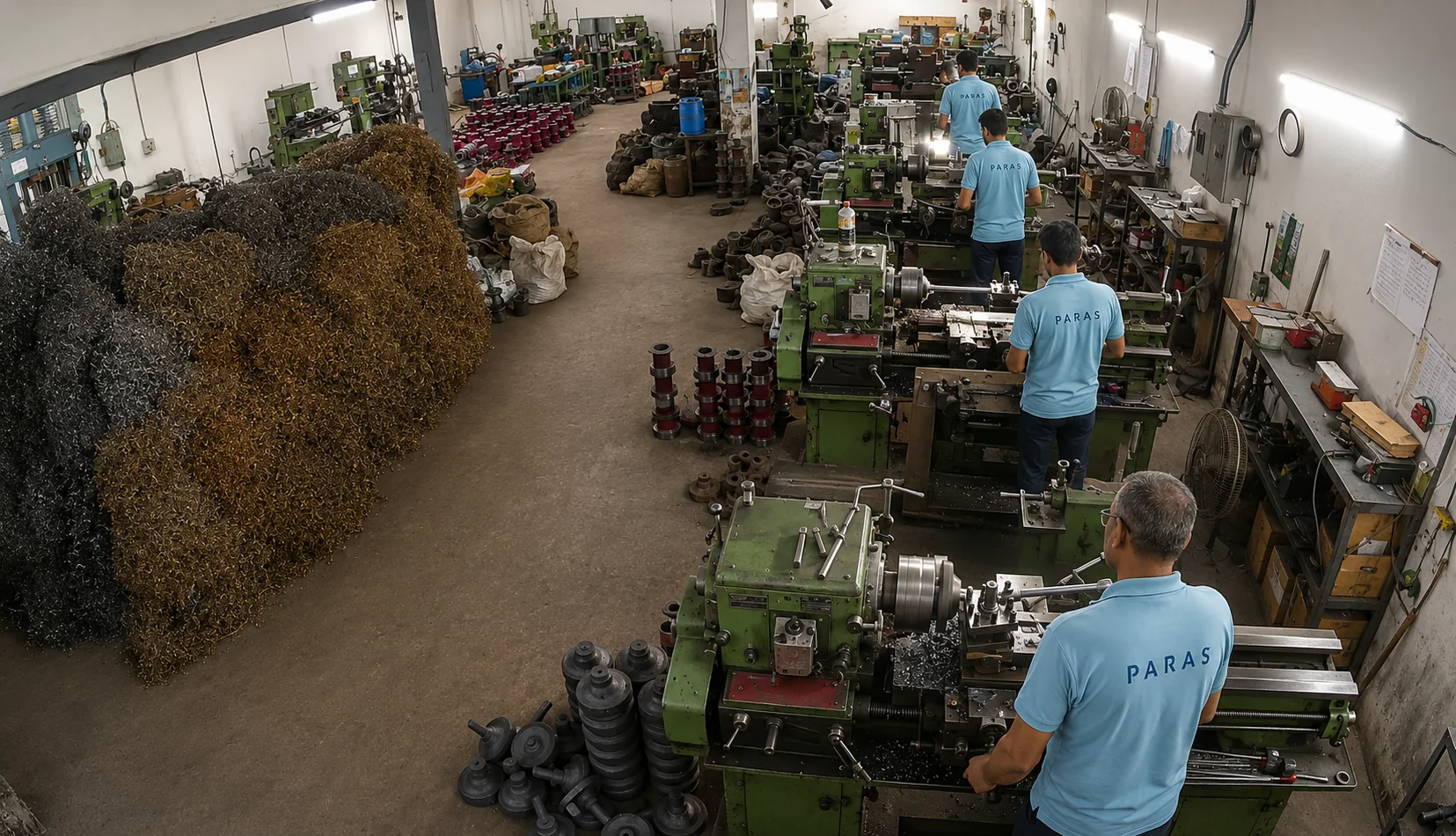
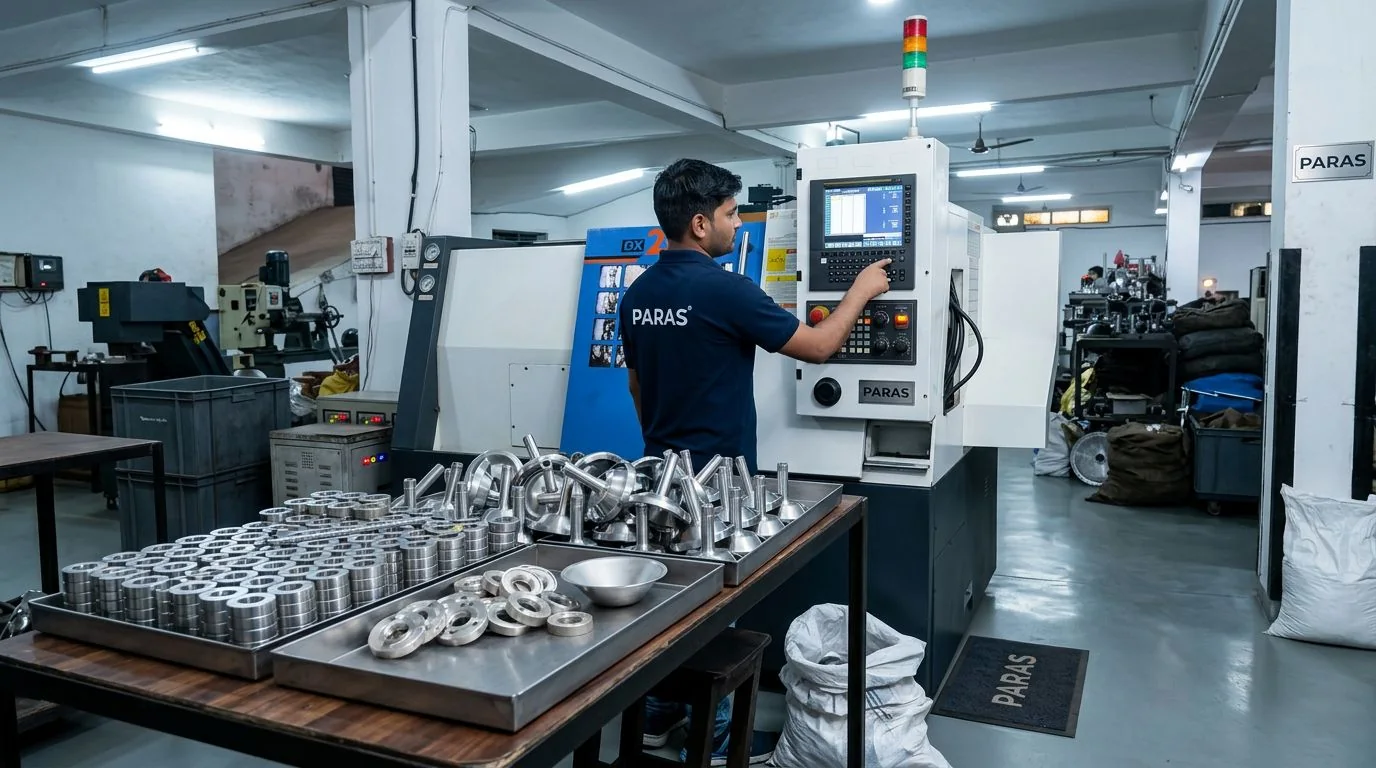
Uncompromising build quality defines Paras Equipment. Every unit undergoes strict ISO-aligned mechanical inspections.
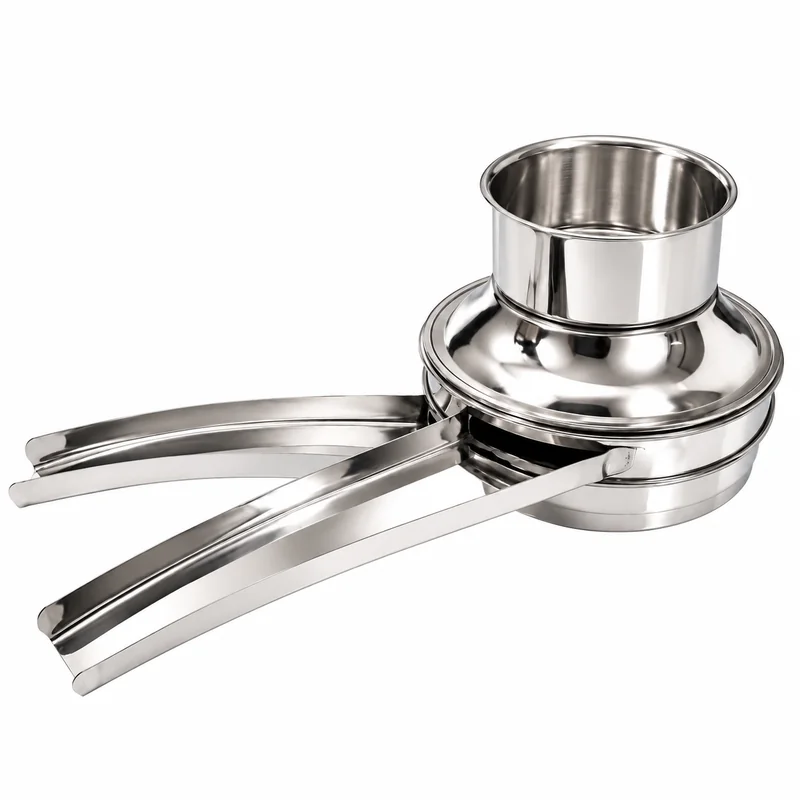
The separation process relies purely on rapid centrifugal force.
Whole milk flows continuously from the receiving tank into the spinning separation bowl, rotating at up to 10,000 RPM. Because skimmed milk is denser than milk fat, the immense centrifugal force drives the heavier skimmed milk outward against the inner walls of the bowl.
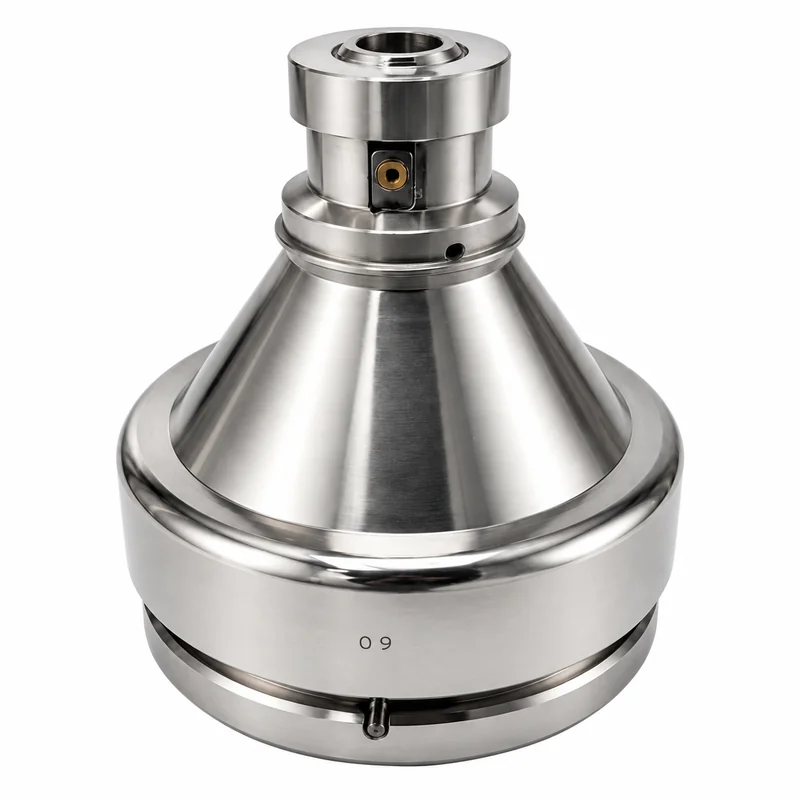
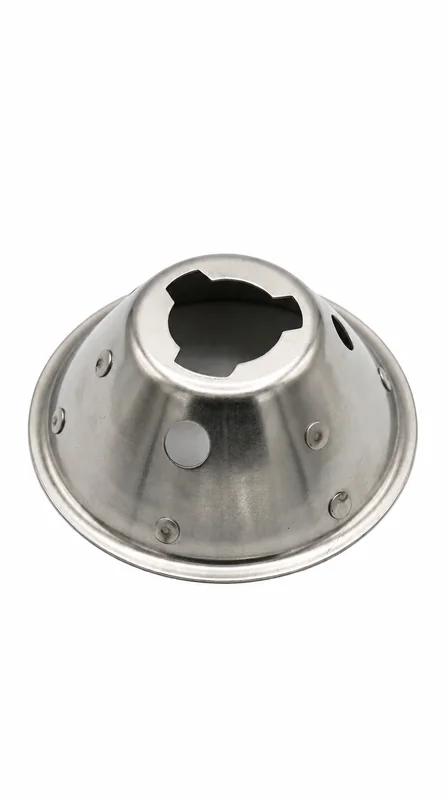
The lighter cream is simultaneously forced inward toward the rotational axis. The conical SS 304 disc stack inside the bowl divides the milk into microscopic layers, drastically reducing the distance fat globules must travel to separate. The separated skimmed milk and thick cream are then forced upward and channeled out through their respective discharge spouts continuously.
Standard market separators frequently leave up to 1.5% residual butterfat trapped inside the skimmed milk. Paras machines are precision-engineered to extract 99.9% of total butterfat, leaving less than 0.1% residual fat in the skim.
Adaptable for All Milk Types: The precision-engineered disc stack features a fully adjustable Cream Screw Regulator. By tightening or loosening this screw, operators manually tune the fat density and separation pressure. This allows a single machine to seamlessly process:
When evaluating Paras machinery against European imports or mass-market Chinese alternatives, engineering precision and material gauge dictate long-term value.
| Engineering Parameter | European Imports | Chinese Imports | Paras Cream Separators (India) |
|---|---|---|---|
| Capital Investment | Prohibitively High | Extremely Low | Optimum Value (40% of European Cost) |
| Material Gauge | Heavy Stainless Steel | Thin Mild Steel (MS) / Casting | Heavy-Gauge Aerospace SS 304 |
| Motor Tropicalization | Built for stable Western grids | Weak, burns out easily | Heavy Copper, handles voltage spikes |
| Bowl Dynamic Balancing | Computerized | Manual / High Vibration | 10,000 RPM Electronic Balancing |
| Spare Parts Logistics | Expensive, Weeks of Delay | Unreliable / Non-existent | Universal, Global 48-Hour Dispatch |
By purchasing directly from our manufacturing headquarters, you bypass massive distributor markups and secure immediate factory-level support.
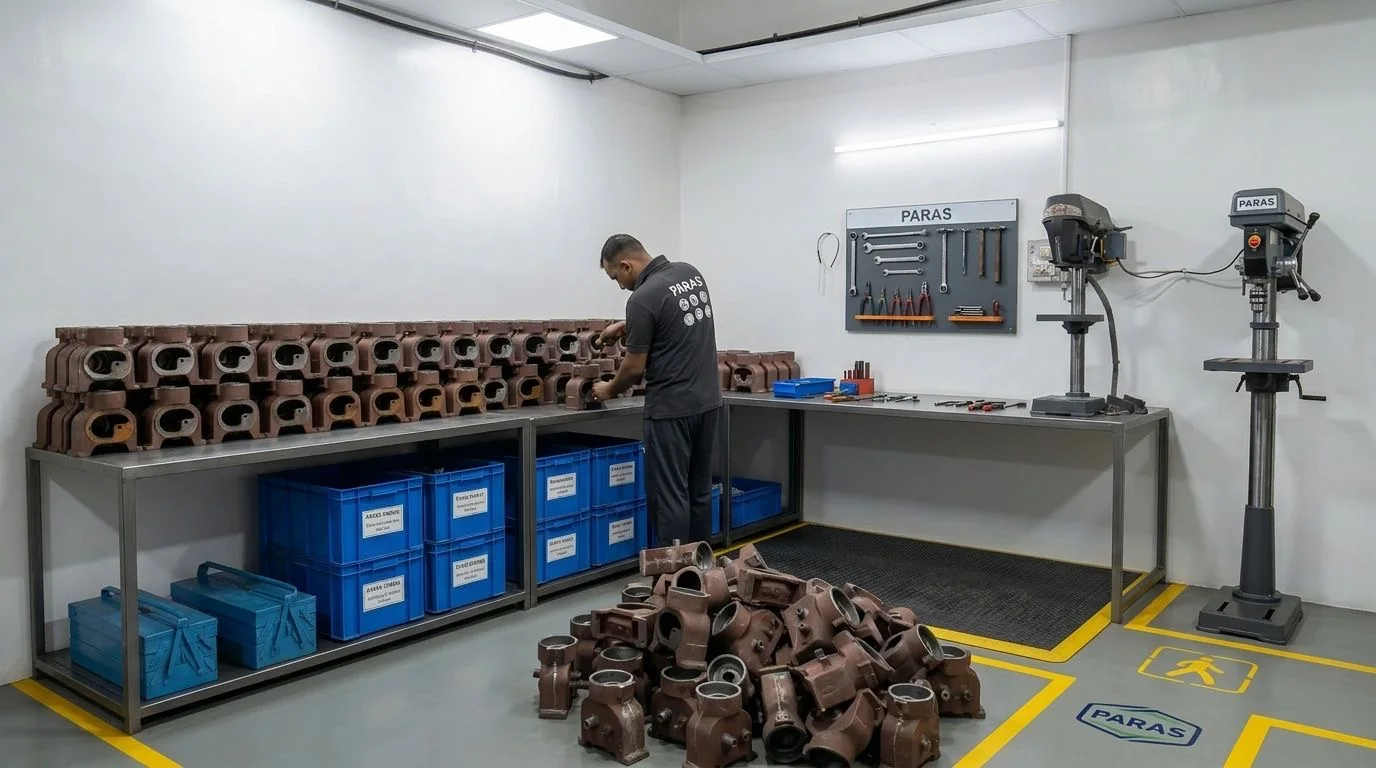
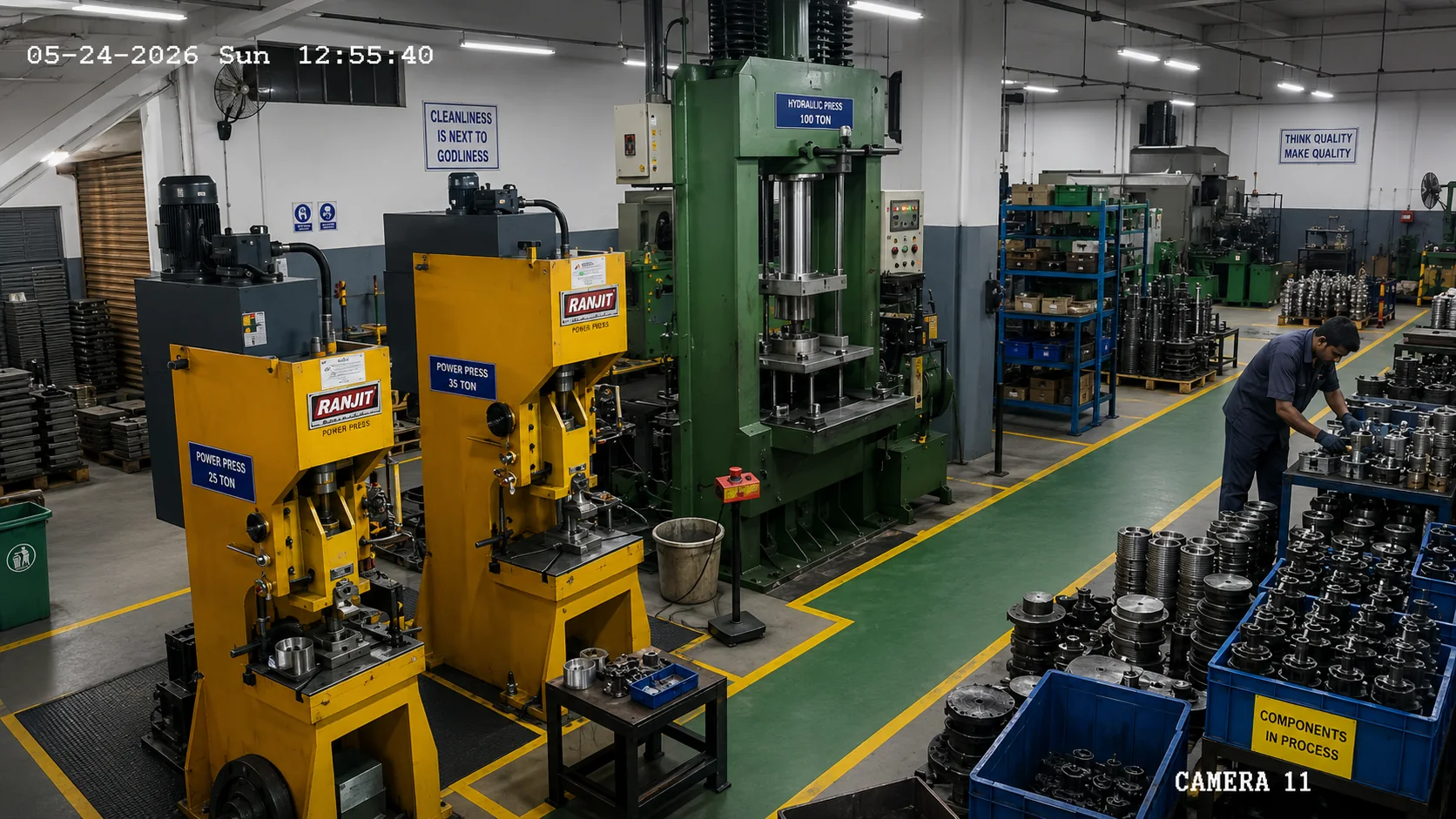
Maximizing the lifespan of your cream separator requires disciplined operational routines and reliable backup support.
To select the correct unit, evaluate your daily processing volume against the machine's capacity to ensure you finalize processing before milk reaches critical spoilage temperatures.
If your commercial dairy processes 500 liters of Buffalo Milk (6% Fat) daily, standard separators lose up to 1.5% fat into the skim. By upgrading to a Paras unit with 99.9% fat recovery, you extract an additional 1% of pure butterfat.
| Performance Metric | Standard Market Separators | Paras Cream Separators |
|---|---|---|
| Fat Recovery Efficiency | 90% to 94% | 99.9% |
| Residual Fat Lost in Skim | 0.8% to 1.5% | Less than 0.1% |
| Daily Cream Yield (500 L Buffalo) | 48 to 50 Liters | 56 to 57 Liters |
| Additional Daily Revenue | Baseline Standard | + ₹2,500 to ₹3,500 extra daily |
| Capital Payback Period | 5 to 6 Months | 30 to 45 Days |
Because of this direct increase in product yield, commercial operators recover 100% of their initial capital expenditure in under two months of continuous operation.
If fat is bleeding into your skimmed milk, it is almost always caused by one of three operational errors:
Raw milk must be warmed to 35°C – 40°C (95°F – 104°F). Operating within this thermal sweet spot ensures the milk fat remains fluid and responsive to the 10,000 RPM centrifugal G-forces, allowing PARAS machines to achieve their signature 99.9% fat recovery rate.
Yes. Commercial dairies often require standardized milk (e.g., exactly 1.5% or 3.0% fat for packaging). By utilizing the adjustable cream screw to extract the heavy fat, operators can precisely remix a calculated ratio of the extracted cream back into the skimmed milk to achieve exact, standardized fat percentages for commercial sale.
At 10,000 RPM, severe vibration is a critical warning sign. In competitor machines, vibration is often caused because their discs must be assembled in a strict numbered sequence; mixing them up throws off the bowl's balance. The PARAS Advantage: Our heavy-gauge SS 304 conical discs are precision-stamped to universal tolerances. They do not need to be assembled in any specific numbered sequence. If a PARAS machine vibrates, simply check that the machine is bolted to a perfectly leveled concrete floor, and ensure the main bowl lock-ring is firmly tightened.
Leaks are entirely preventable and usually result from improper reassembly after cleaning.
While PARAS electric motors are tropicalized for continuous 24/7 endurance, the separation bowl itself will naturally accumulate dirt, cellular matter, and milk slime over time. To maintain 99.9% fat recovery, we recommend halting the milk feed every 3 to 4 hours of active operation to flush the bowl with warm water and clear the sludge from the bowl periphery.
Absolutely. We manufacture equipment for over 40 countries. We configure all electric motors to match your destination's exact grid standards, including 110V/60Hz (Americas), 220V/50Hz (Standard Global), or 380V/415V 3-Phase for industrial plant setups.
All export consignments are packed in heavy-duty, ISPM-15 certified fumigated wooden crating to prevent internal transit damage and pass strict international customs agricultural inspections. The internal chassis is bolted to a sea-worthy pallet and shrink-wrapped for maximum moisture protection.
Yes. We highly recommend that all international buyers and regional dealers include a PARAS Essential Spares Kit with their order. This includes replacement rubber O-rings, bowl gaskets, neck bearing springs, and specialized spindle tools, guaranteeing your local dairy clients experience zero downtime while waiting for international shipping.
We routinely execute export shipments under Ex-Works (EXW), Free on Board (FOB) Nhava Sheva/Mundra, and Cost, Insurance, and Freight (CIF) terms based on buyer preference. Fumigated crating and standard export documentation are included.
Direct Factory Hotline / WhatsApp: +91 81910 84340